


Early Education Learning Books for Babies and Toddlers
Couldn't load pickup availability
Description
Product information:
Ability Training: emotion, vision, intelligence development, hands-on brain, grasping, senses, hand-eye coordination, interactive toys, parent-child communication
Specifications: Animal version [CPC,CE], digital version [CPC,CE], adult version [CPC,CE], primary cognition [CPC,CE]]
Applicable age: children (3-6 years old)
Toy material: paper
Packing list:
Educational toys * 1
Product Image: 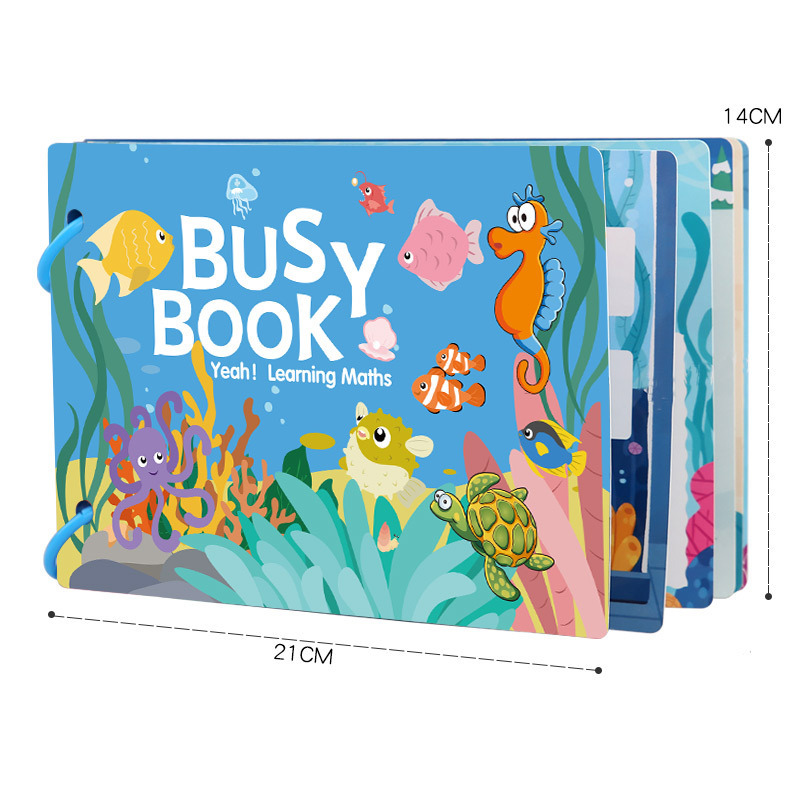
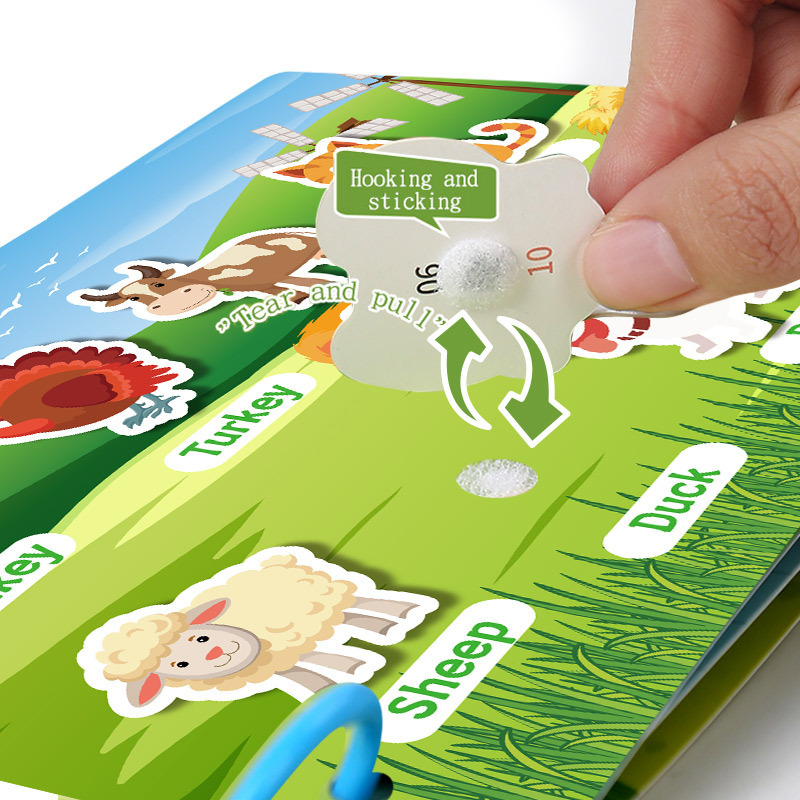
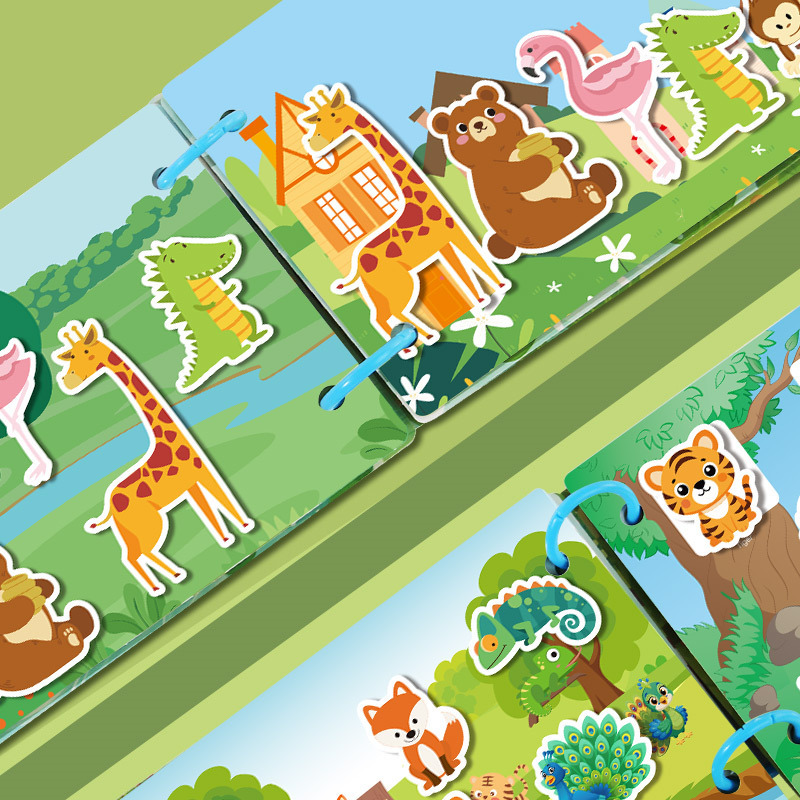
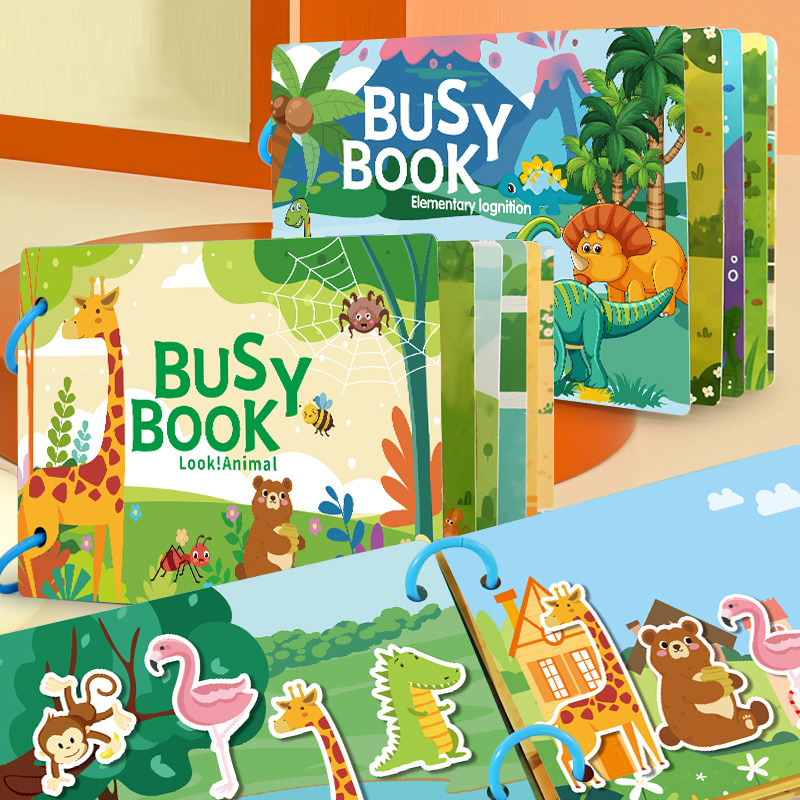
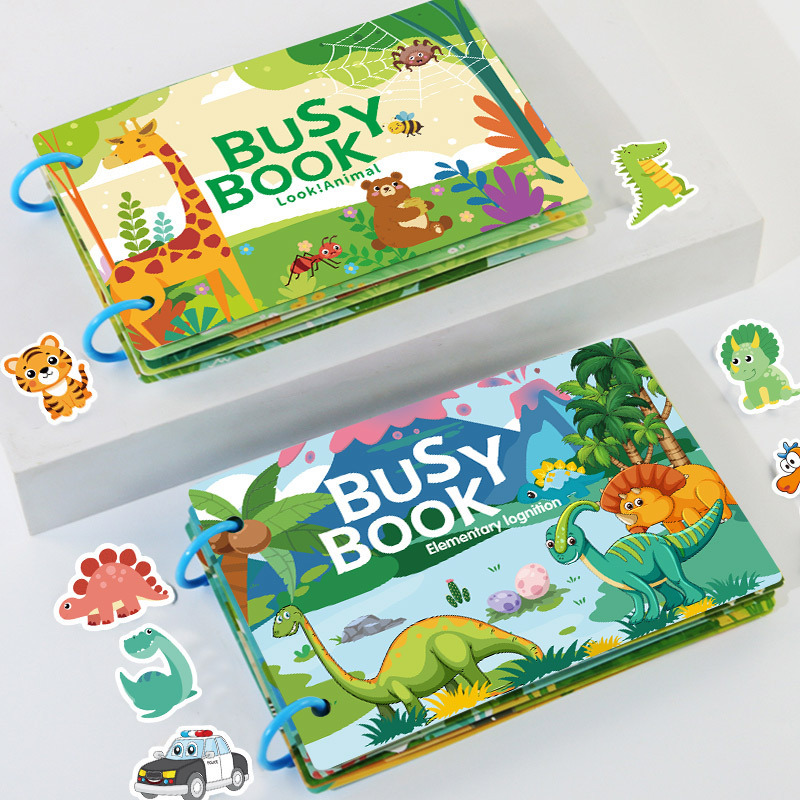
Early Education Learning Books for Babies and Toddlers
Make every learning moment meaningful with Early Education Learning Books for Babies and Toddlers, designed to introduce young children to the exciting world of discovery, imagination, and knowledge. These educational books provide an engaging way for little learners to explore pictures, recognize familiar objects, discover colors and shapes, and develop an early interest in reading.
The early years of childhood are an important time for exploring new ideas and building foundational skills. Through colorful illustrations, simple concepts, and interactive reading activities, educational books can help children become familiar with language, numbers, letters, animals, and everyday objects. Parents and caregivers can use these books to encourage curiosity, support communication, and make learning a natural part of daily life.
Whether you are creating a home learning corner, preparing your toddler for preschool, or looking for a thoughtful educational gift, early education books can be a valuable addition to a child's learning collection.
Make Early Learning Fun and Interactive
Young children often learn through observation, repetition, and interaction with the people around them. Educational books provide opportunities to introduce basic concepts in a simple, engaging, and age-appropriate way.
Encourage Visual Recognition
Colorful pictures and recognizable illustrations can help children explore the world around them. Depending on the book's content, children may discover animals, fruits, vehicles, household objects, colors, shapes, and other familiar subjects.
Parents can point to each illustration, name the object, and encourage children to look closely at the details. Repeating these activities helps create opportunities for visual recognition and introduces new concepts through everyday play.
Build an Interest in Books
Introducing books early can help children become familiar with reading as an enjoyable activity. Babies may enjoy looking at pictures and listening to a caregiver's voice, while older toddlers may begin turning pages, pointing to illustrations, and responding to simple questions.
Short, relaxed reading sessions can make books a familiar part of a child's routine and encourage positive experiences with learning.
Support Early Language and Vocabulary Development
Educational books offer valuable opportunities for children to hear new words and connect spoken language with pictures and experiences.
Introduce New Words and Familiar Objects
Books featuring animals, food, family members, and everyday items can help caregivers introduce useful vocabulary. Parents can name each object and describe it using short, simple sentences.
For example, when looking at a picture of an apple, a caregiver might describe its color, name the fruit, and connect it to an apple the child has seen at home. These conversations help make learning relevant to everyday experiences.
Encourage Listening and Communication
Reading together gives children opportunities to listen to speech, respond to questions, and practice expressing themselves. Younger children may respond through gestures, eye contact, or sounds, while older toddlers may begin naming pictures and repeating familiar words.
Caregivers can encourage participation by asking simple questions, allowing time for responses, and following the child's interests during reading sessions.
Discover Letters, Numbers, Colors, and Shapes
Many early education books introduce foundational concepts that prepare children for later preschool learning.
Introduce the Alphabet
Alphabet-themed books can help children become familiar with letters and their shapes. Some books connect letters with familiar objects, giving children an opportunity to associate a letter with a picture or word.
Parents can introduce a few letters at a time, repeat their names, and encourage children to notice them in other books or everyday surroundings.
Explore Numbers and Counting
Books featuring numbers can introduce children to numerical symbols and simple counting activities. Caregivers can count pictures together, identify groups of objects, or connect printed numbers with everyday items.
These playful exercises help introduce early mathematical ideas without making learning feel like a formal lesson.
Learn About Colors and Shapes
Colorful illustrations can help children explore basic colors and geometric shapes. Adults can point out circles, squares, triangles, and objects of different colors, encouraging children to notice similarities and differences.
The exact learning topics depend on the book selected, so choosing content appropriate to the child's age and interests is important.
Encourage Cognitive Development and Problem-Solving
Cognitive development includes learning to observe, remember, compare, and understand information. Educational books can support these experiences through engaging illustrations and simple activities.
Develop Memory Through Repetition
Children often enjoy revisiting familiar pages. Repeatedly seeing pictures and hearing the same words provides opportunities to recognize familiar information and become more comfortable with new concepts.
Caregivers can ask children to find a familiar picture or remember the name of an object introduced earlier. These activities encourage recall while keeping learning playful.
Strengthen Observation and Reasoning
Some educational books include matching activities, picture-identification tasks, simple puzzles, or questions that invite children to think about what they see.
These activities can encourage children to compare pictures, notice differences, and explore simple relationships. Adults can provide gentle guidance and allow children to attempt age-appropriate challenges at their own pace.
Inspire Imagination and Creativity
Books can introduce children to new situations, characters, and ideas, helping create opportunities for imaginative play.
Explore Stories and Everyday Experiences
Storybooks allow children to follow characters, observe different situations, and become familiar with simple sequences of events. Picture-based learning books can also encourage adults to create short stories inspired by the illustrations.
Parents can connect a story to familiar experiences, such as visiting a park, caring for a pet, or sharing toys with friends. This makes reading more engaging and helps children connect books with their everyday world.
Encourage Creative Expression
After reading, caregivers can invite children to draw a favorite character, imitate an animal sound, or act out a simple scene. These activities complement reading with opportunities for movement, imagination, and self-expression.
Montessori-Inspired Learning Through Everyday Reading
Montessori-inspired learning emphasizes exploration, repetition, and opportunities for children to learn at an individual pace. Educational books can complement this approach by providing simple visual materials that children can revisit and explore with adult support.
Let Children Explore at Their Own Pace
Allow children to spend time on the pages that interest them. Some may prefer to study a single picture, while others enjoy turning pages and discovering new illustrations.
Parents can introduce concepts gradually and offer assistance when needed without rushing the child through the book.
Create a Positive Reading Routine
Choose a comfortable time for reading, such as during quiet play or before a daytime rest. Keep sessions enjoyable and adapt their length to the child's attention span.
Consistent, positive reading experiences can help children become more familiar with books and develop an early interest in learning.
Ideal for Home, Preschool, and Daycare
Early education books are versatile learning resources that can complement activities in different environments.
At home, parents can use them for shared reading, vocabulary practice, picture recognition, and introductory learning activities. Preschool teachers and daycare educators can incorporate suitable books into story time, group discussions, and classroom learning corners.
These books can also complement flashcards, building blocks, counting toys, drawing materials, and other educational resources.
A Thoughtful Educational Gift for Young Children
Looking for a useful gift for a baby, toddler, or preschooler? Early education books are a thoughtful choice for birthdays, holidays, baby showers, and preschool preparation.
They offer opportunities for shared reading and discovery while complementing a child's existing collection of learning toys. When selecting a book, consider the child's age, interests, reading experience, and developmental stage.
Product Features and Benefits
- Early Learning Support: Introduces foundational concepts through age-appropriate content.
- Visual Recognition: Encourages children to explore pictures, objects, colors, and shapes.
- Language Development: Provides opportunities to learn new words and expressions.
- Alphabet Familiarity: Supports introductory letter recognition when included.
- Number Learning: Introduces numbers and basic counting concepts when included.
- Cognitive Exploration: Encourages observation, memory, and simple reasoning.
- Imagination and Creativity: Inspires storytelling and related play activities.
- Interactive Reading: Encourages communication between children and caregivers.
- Preschool Preparation: Complements introductory literacy and numeracy activities.
- Gift-Friendly Choice: Suitable for building an age-appropriate educational book collection.
Care and Safety Instructions
Follow the manufacturer's instructions for cleaning, handling, and storing the books. Check the material, page construction, and recommended age range before giving a book to a baby or toddler.
Inspect books regularly for torn pages, loose bindings, damaged covers, or detachable parts. Keep books with small components away from children who may place objects in their mouths, and supervise younger children during use. If selecting fabric or sensory books, verify the washing instructions and ensure that attached features are secure.
Make Learning Part of Every Day
Early Education Learning Books for Babies and Toddlers provide an enjoyable way to introduce young children to pictures, language, numbers, shapes, and new ideas. Through shared reading and playful exploration, children can become more familiar with books while practicing observation, communication, and early learning skills.
Whether used at home, in preschool, or during supervised educational activities, these books can help create positive learning experiences that grow alongside a child's curiosity.
Choose educational books that match your child's interests and developmental stage, and turn everyday reading time into an opportunity for discovery, connection, and fun.


