


Children's Cash Register Simulation Toy
Couldn't load pickup availability
Description
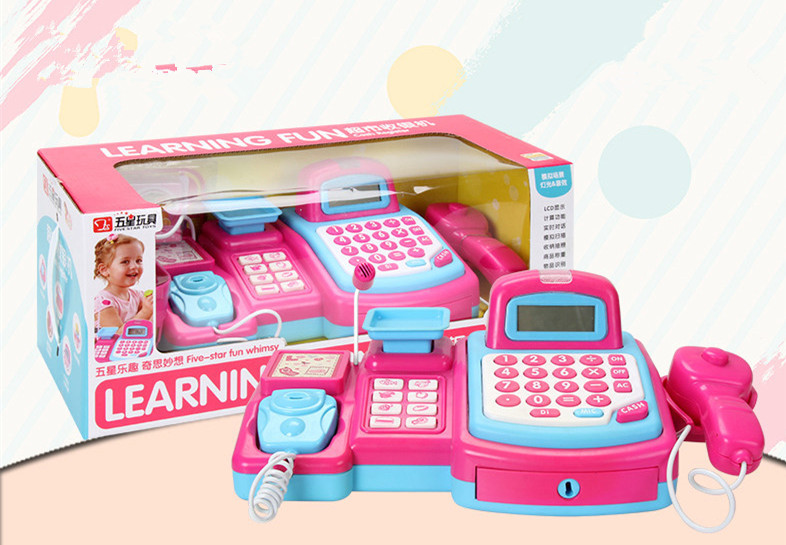
Packing: color box
Toy material: plastic
Ability development: emotion
3C configuration category: inflatable toys under 14 years old
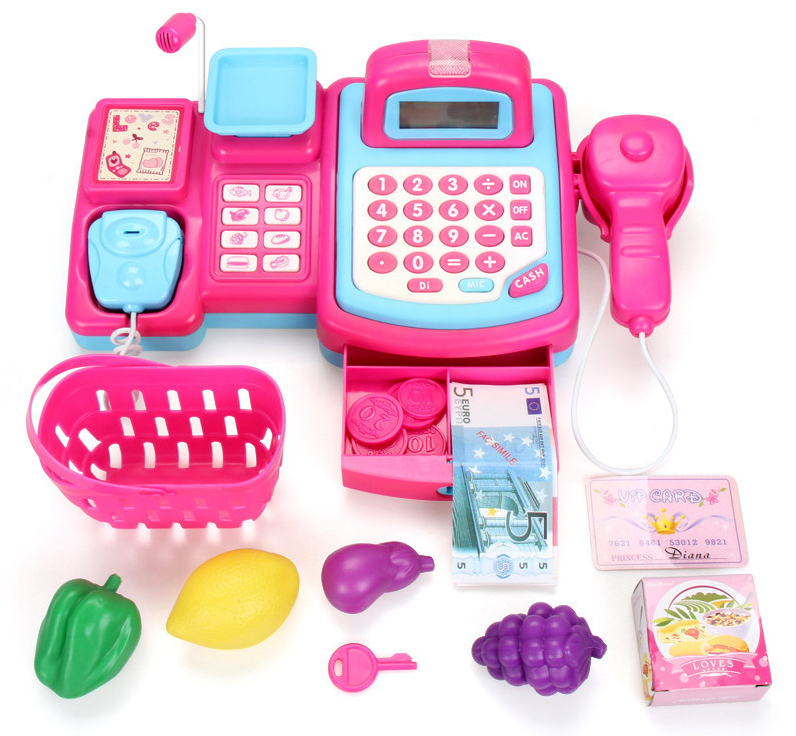
Color: 37216 Barrie cash register [color box], 37216 Barrie cash register + coins (18 coins, 5 banknotes) + cut music set [color box]
Applicable age; children (4-6 years old) 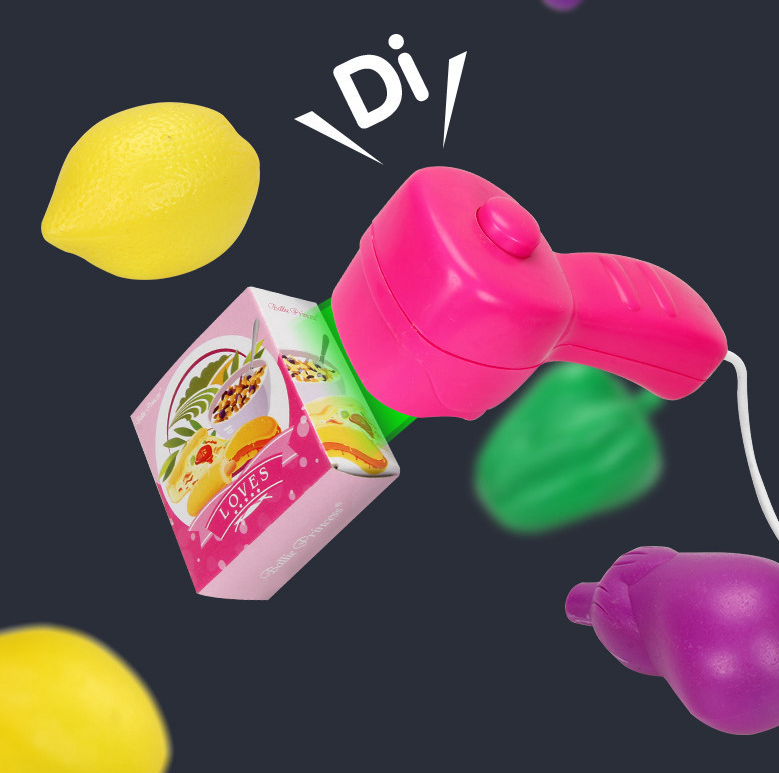
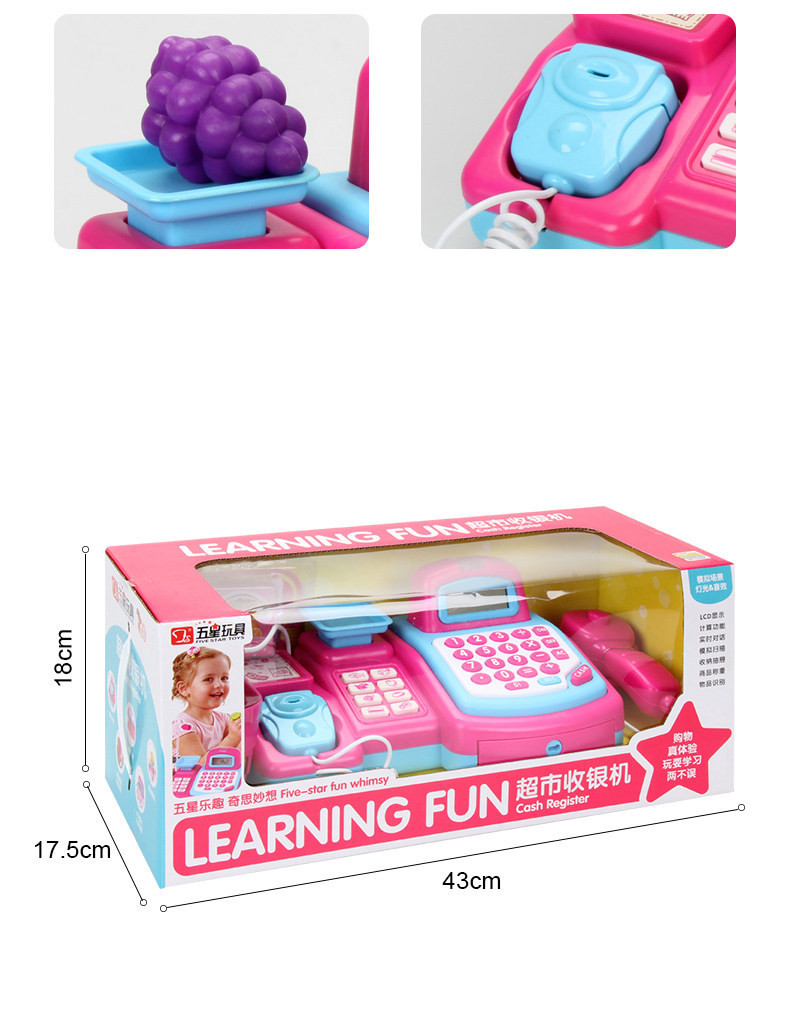
Children's Cash Register Simulation Toy
Introduce children to the exciting world of shopping, counting, and imaginative role-play with the Children's Cash Register Simulation Toy. Designed to bring the fun of a supermarket checkout into the home, this playful learning toy allows children to pretend to be shopkeepers, cashiers, and customers while exploring everyday shopping activities. With its colorful design and realistic checkout-inspired features, it provides an engaging way for young learners to develop practical skills through interactive play.
Whether children are pretending to run a grocery store, managing a small shop, or shopping with family and friends, a simulated cash register helps transform ordinary playtime into an enjoyable learning experience. It encourages children to explore numbers, recognize money, practice simple calculations, and understand basic buying and selling concepts in an age-appropriate setting.
The Children's Cash Register Simulation Toy is suitable for home playrooms, preschools, kindergartens, and educational play areas. It can also make a thoughtful gift for birthdays, holidays, and other special occasions. By combining entertainment with educational value, this toy offers an enjoyable introduction to real-world activities while supporting creativity, communication, and early mathematical development.
Key Features of the Children's Cash Register Toy
Realistic Supermarket Checkout Experience
The toy recreates the familiar experience of a supermarket checkout in a child-friendly format. Children can pretend to scan groceries, enter prices, calculate purchases, and complete imaginary transactions. This familiar setup helps make role-playing more engaging while introducing children to everyday activities they observe in shops and supermarkets.
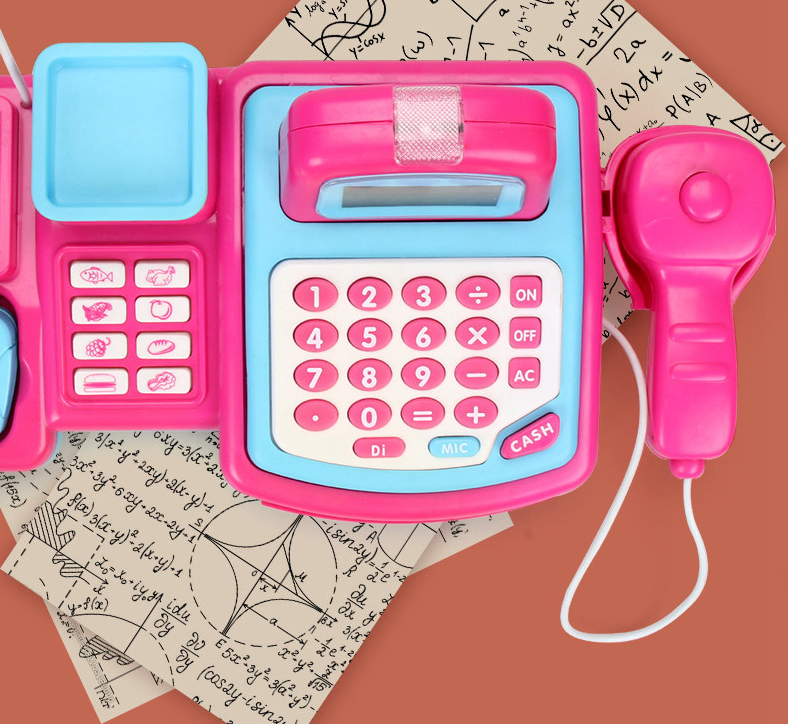
Depending on the model, the cash register may include a number keypad, display screen, pretend scanner, buttons, a cash drawer, or other checkout accessories. These features help children create their own shopping scenarios and enjoy a more immersive play experience. Actual features and accessories may vary by product version.
Interactive Buttons and Checkout Functions
A simulated cash register with interactive buttons allows children to press keys, enter numbers, and explore basic checkout procedures. If the selected model includes sound effects, a working display, or a scanner with lights, these features can make pretend shopping even more exciting.
Children can take turns operating the register, entering imaginary prices, and completing purchases. These activities help them become familiar with numbers and sequences while encouraging curiosity and hands-on exploration.
Pretend Money and Shopping Accessories
Many children's cash register sets include play money, pretend coins, shopping items, or other accessories that support imaginative supermarket games. These accessories allow children to practice exchanging money, organizing purchases, and acting out different customer and cashier roles.
The included accessories depend on the specific set, so buyers should review the product details to confirm whether play notes, coins, food items, or additional shopping equipment are provided.
Educational Benefits of the Cash Register Simulation Toy
Develops Early Math and Counting Skills
Playing with a cash register can help children become more comfortable with numbers and basic arithmetic. They can practice counting pretend money, adding item prices, comparing quantities, and working through simple purchase scenarios.
For example, a parent can ask a child to add the prices of two pretend groceries or count how many coins are needed for an imaginary purchase. These playful exercises introduce mathematical concepts in a practical and enjoyable way.
As children grow, the activities can become more challenging by including simple addition, subtraction, and change-making exercises suited to their abilities.
Encourages Money Recognition and Financial Awareness
The toy provides an opportunity to introduce children to the basic purpose of money and the concept of exchanging payment for goods. Through pretend shopping, children can learn to distinguish between different denominations of play currency and understand how customers pay for items.
Parents and educators can also use the toy to discuss saving, spending, budgeting, and making choices. Although pretend money is not a substitute for real financial education, it offers a useful starting point for age-appropriate conversations about money management.
Improves Communication and Social Skills
Role-playing a cashier or customer encourages children to communicate, ask questions, respond to others, and participate in simple conversations. They can practice saying hello, asking about prices, confirming purchases, and thanking customers.
When children play together, they can take turns, share accessories, negotiate roles, and cooperate to keep their imaginary store running. These activities support social interaction and help children learn about patience, teamwork, and respectful communication.
Supports Creativity and Imaginative Play
The Children's Cash Register Simulation Toy allows children to create their own shop, supermarket, bakery, toy store, or grocery checkout. They can invent products, assign prices, organize shelves, and develop stories around their pretend business.
Open-ended play gives children the freedom to experiment with different situations and express their ideas. It can also encourage problem-solving as they decide how to organize their store or handle an imaginary customer's request.
Perfect for Home and Educational Play
Fun Learning at Home
Parents can incorporate the cash register into everyday playtime by creating a pretend grocery store using household items, toy food, and play currency. Children can take turns being shoppers and cashiers, making the activity entertaining for siblings and family members.
This type of play can provide a screen-free activity that combines creativity, movement, communication, and early learning.
Suitable for Preschools and Kindergartens
Teachers and childcare providers can use a cash register toy in pretend-play corners, classroom shops, and early mathematics activities. It can support lessons about numbers, shopping, occupations, social interaction, and everyday community activities.
Educators can introduce simple challenges, such as counting a set number of items or adding two prices, to help children apply classroom concepts during practical play.
Encourages Independent Play
Children can also use the cash register independently to organize their pretend store and complete imaginary transactions. Independent play allows them to explore ideas at their own pace, develop confidence, and practice decision-making.
Caregivers can participate when needed or introduce new scenarios to keep the experience engaging and appropriate for the child's developmental stage.
An Ideal Gift for Young Learners
The Children's Cash Register Simulation Toy makes an appealing gift for birthdays, holidays, celebrations, and other special occasions. Its familiar supermarket theme makes it easy for children to understand how to begin playing, while its educational possibilities provide value beyond simple entertainment.
It is a suitable gift option for children who enjoy role-playing, pretend shopping, counting games, and interactive toys. It can also complement existing toy kitchens, grocery sets, shopping carts, and pretend food collections to create a more complete play supermarket.
For gift buyers, the toy offers a balance of fun and learning, encouraging children to explore everyday life through creative activities.
How to Make Playtime More Educational
Parents and teachers can enhance the experience by introducing simple games and challenges:
- Set up a pretend store: Arrange toy groceries or safe household items for children to sell.
- Assign prices: Use simple numbers that match the child's counting ability.
- Practice counting: Ask children to count items or pretend coins before completing a purchase.
- Take turns: Encourage children to switch between customer and cashier roles.
- Introduce simple calculations: For older children, practice adding prices and calculating basic change.
- Discuss shopping choices: Ask children to choose items within a pretend budget and explain their decisions.
These activities can make the toy more versatile while adapting the difficulty to different ages and learning levels.
Product Care and Safety Considerations
Before purchasing the Children's Cash Register Simulation Toy, check its dimensions, recommended age range, material, power requirements, and included accessories. If the model requires batteries, follow the manufacturer's instructions for installation and replacement.
Choose a toy appropriate for the child's age and supervise younger children during play, particularly if the set contains small accessories. Keep removable parts away from children who may put objects in their mouths, and inspect the toy periodically for damaged components.
Electronic functions, scanner operation, sound effects, displays, and cash drawer mechanisms vary by model. Buyers should review the specifications to confirm which features are included rather than assuming every cash register toy offers the same functionality.
Why Choose the Children's Cash Register Simulation Toy?
The Children's Cash Register Simulation Toy combines imaginative supermarket role-play with opportunities to develop early mathematics, communication, and practical problem-solving skills. Its checkout-inspired design allows children to explore familiar shopping activities while learning through hands-on experiences.
From pretend grocery shopping at home to classroom activities focused on counting and money recognition, this toy can support a wide variety of playful learning scenarios. It encourages children to use their imagination, interact with others, and become more familiar with everyday transactions in a relaxed, age-appropriate environment.
Whether you are looking for an engaging educational toy, a creative addition to a pretend supermarket, or a memorable gift for a young learner, the Children's Cash Register Simulation Toy is a versatile option for combining fun and learning.


