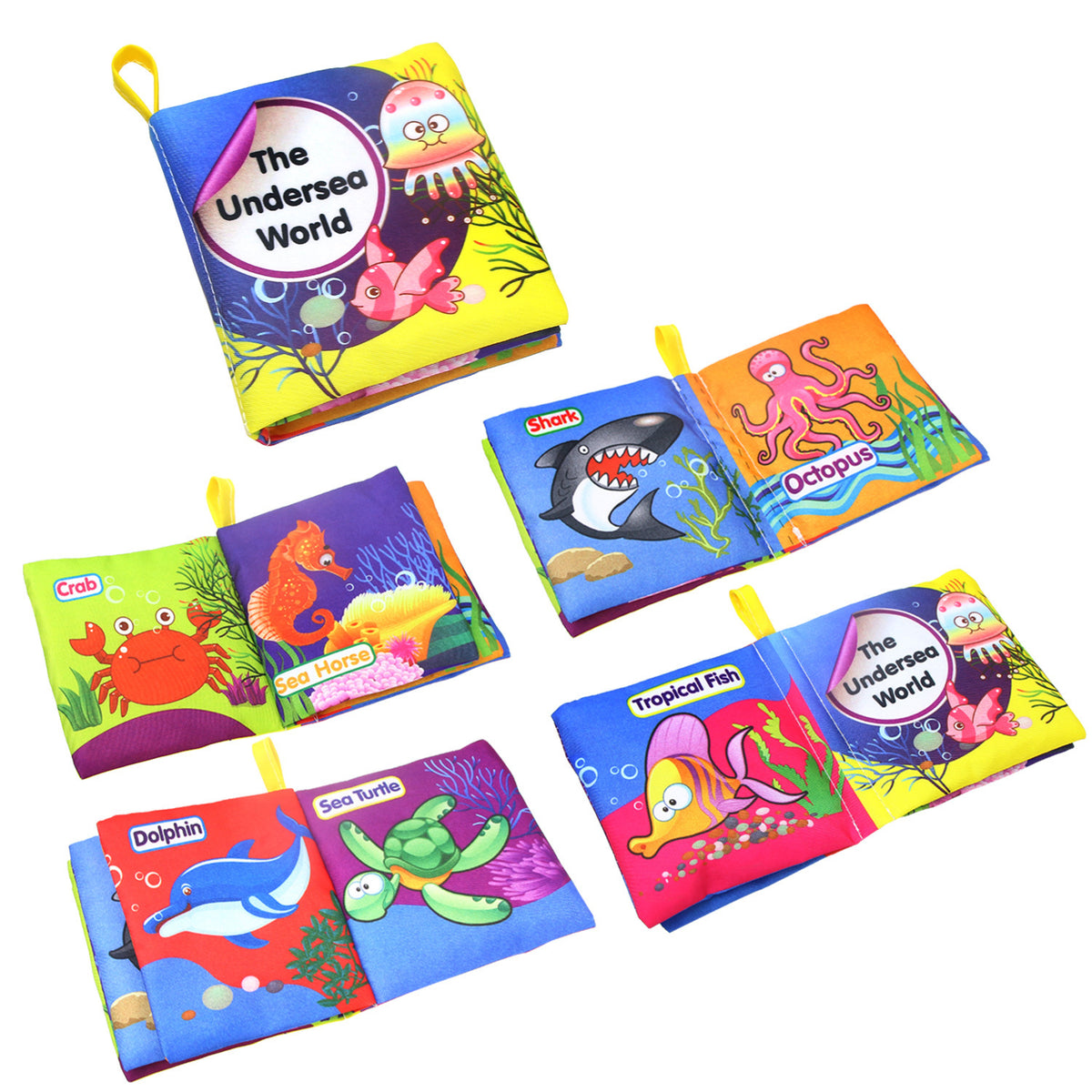
Early Development Baby Cognition Books
Couldn't load pickup availability
Description
Product information:
Features: Cognition
Packing: OPP bag
Toy material: polyester fiber
Ability training: intellectual development, hands-on brain, grasping, senses
Color: 1356-1 animal, 1356-2 marine life, 1356-3 traffic, 1356-5 vegetable, 1356-4 number, 1356-6 fruit, 4965-1 color, 4965-2 mixed, 4965-3 graphics, 4965- 4 numbers
Applicable age: infants (0-2 years old)
Packing list:
Baby Early Educational Toy Palm Book*1


Early Development Baby Cognition Books – Interactive Educational Learning Books
Give your little one a joyful start to learning with Early Development Baby Cognition Books, thoughtfully designed to introduce babies and toddlers to colors, shapes, pictures, and familiar everyday concepts. These early-learning books encourage children to explore their surroundings, recognize visual details, and develop curiosity through engaging, age-appropriate educational activities.
The early years of childhood are filled with exciting discoveries. Babies begin to notice colors, respond to familiar voices, recognize objects, and explore the world through their senses. Educational cognition books provide a simple and enjoyable way for parents and caregivers to support these experiences through shared reading, picture recognition, and interactive play.
Depending on the specific design, these books may feature colorful illustrations, animals, fruits, vehicles, numbers, letters, shapes, or other familiar subjects. Some models may also include textured pages or interactive elements that encourage hands-on exploration.
Whether you are introducing your baby's first learning book or looking for an educational addition to your toddler's playtime, early development cognition books can help make everyday learning more engaging and enjoyable.
Encourage Early Cognitive Development Through Play
Cognitive development involves learning to observe, recognize, remember, and understand information about the world. Babies gradually develop these abilities through everyday interactions, exploration, and repeated experiences.
Build Visual Recognition Skills
Colorful illustrations and recognizable pictures can encourage babies to focus their attention on different images. Parents can point to familiar objects, name them, and allow the child time to observe each picture.
For example, illustrations of animals, fruits, or household objects can help introduce familiar concepts. As children grow, caregivers can ask them to identify specific pictures or find an object they recognize.
These simple activities provide opportunities to practice visual attention and recognition in an enjoyable setting.
Encourage Curiosity and Discovery
Young children naturally explore things that attract their attention. Educational baby books give them opportunities to investigate different pictures, turn pages, and discover new details.
Caregivers can encourage curiosity by describing the illustrations, asking simple questions, and connecting pictures to familiar experiences. This helps transform ordinary reading time into an interactive learning activity.
Explore Colors, Shapes, and Everyday Objects
Introducing basic concepts through pictures can help children become familiar with the world around them.
Discover Colors and Shapes
Books featuring different colors and shapes can provide an accessible introduction to early visual concepts. Parents can point out red apples, blue objects, circles, squares, and other features when they appear in the book.
Repeating these descriptions during everyday activities can help children connect pictures with real objects. As children develop, caregivers can encourage them to identify colors or shapes independently.
Learn About Familiar Objects and Animals
Pictures of animals, food, toys, transportation, and household items can introduce children to familiar subjects and new vocabulary.
Parents can name each object, describe what it looks like, and imitate animal sounds when appropriate. These activities encourage observation and provide opportunities to connect visual information with spoken words.
The actual topics available will depend on the book's illustrations and educational content.
Support Early Language and Vocabulary Development
Reading together provides babies with opportunities to hear speech, recognize familiar sounds, and become familiar with new words.
Introduce First Words Through Pictures
Educational cognition books can help caregivers introduce simple words associated with the illustrations. Naming objects and repeating short phrases can make it easier for children to connect language with what they see.
For example, when looking at a picture of a bird, a parent might say, "Look at the bird!" and describe its color or sound. These small conversations create opportunities for listening and early language exposure.
Encourage Interactive Communication
Parents can invite children to participate by pointing to pictures, repeating simple words, or responding with gestures and sounds. Older toddlers may enjoy answering questions such as "Where is the cat?" or "Can you find the ball?"
Following the child's interests and responding warmly to their attempts to communicate can make reading a positive shared experience.
Develop Attention, Memory, and Observation
Early-learning books offer opportunities to revisit familiar information and notice differences between pictures.
Practice Memory Through Repetition
Babies and toddlers often enjoy seeing the same pictures repeatedly. Revisiting familiar pages gives caregivers opportunities to repeat words, reinforce concepts, and encourage recognition.
As children grow, adults can ask them to remember where a particular picture appears or identify an object they have seen before. These playful activities provide opportunities to practice recall without creating pressure.
Encourage Focused Observation
Pointing out small details, comparing pictures, and exploring different illustrations can encourage children to observe carefully.
Parents might ask a toddler to find a particular animal or notice which picture shows a different color. Activities should be short, flexible, and appropriate for the child's developmental stage.
Sensory Exploration and Hands-On Learning
Some early development baby books incorporate fabric pages, textured surfaces, crinkly materials, or other interactive features. These elements vary by product model.
Explore Different Textures
If the book includes tactile features, babies can touch and explore the different surfaces under adult supervision. Caregivers can describe the sensations using simple words, connecting hands-on exploration with language.
These activities can complement other sensory play experiences, such as handling suitable toys and exploring safe everyday objects.
Encourage Fine Motor Skills
Holding a book, reaching for pictures, touching illustrations, and turning pages can provide opportunities to practice grasping and hand-eye coordination.
As children become more confident, they may begin to turn pages independently and point to specific pictures. These experiences complement other activities that involve handling toys, stacking blocks, and manipulating age-appropriate objects.
Montessori-Inspired Learning for Babies and Toddlers
Montessori-inspired learning emphasizes hands-on exploration, repetition, and opportunities to discover things at an individual pace. Educational cognition books can complement this approach by offering simple visual materials that children can explore with a caregiver nearby.
Encourage Exploration at an Individual Pace
Allow your baby to spend time looking at favorite pictures rather than moving quickly through every page. Some children may prefer to examine one illustration repeatedly, while others may enjoy exploring different pictures.
Caregivers can follow the child's interests, introduce new concepts gradually, and provide help when needed.
Build an Enjoyable Daily Reading Routine
Short reading sessions can help introduce books as a familiar part of everyday life. Choose a comfortable moment, sit with your baby, and explore a few pages together.
Reading before a daytime nap, during quiet play, or as part of a family learning routine can create opportunities for connection and discovery. Always follow the baby's cues and pause when the child becomes tired or distracted.
Ideal for Home Learning and Thoughtful Gifting
Early development baby cognition books are suitable additions to a home learning collection and may also complement activities in daycare centers or early childhood environments.
Parents can use them during shared reading, picture-identification games, and vocabulary activities. Educators may incorporate similar books into supervised sessions that introduce colors, shapes, animals, and familiar objects.
These books can also make thoughtful gifts for baby showers, birthdays, newborn celebrations, and other special occasions. They complement other age-appropriate educational products, including soft toys, sensory balls, stacking blocks, and picture cards.
Before purchasing, review the recommended age range, materials, subject matter, dimensions, and cleaning instructions.
Product Features and Benefits
- Early Cognitive Learning: Encourages exploration, observation, and familiarity with new concepts.
- Visual Recognition: Introduces colorful illustrations, shapes, and familiar objects.
- Vocabulary Development: Creates opportunities to introduce new words and expressions.
- Sensory Exploration: Supports tactile discovery when interactive textures are included.
- Memory Practice: Encourages repetition and recognition of familiar pictures.
- Fine Motor Activities: Provides opportunities to practice grasping and turning pages.
- Hand-Eye Coordination: Encourages children to coordinate looking, reaching, and touching.
- Interactive Reading: Supports shared storytelling and parent-child communication.
- Montessori-Inspired Play: Complements hands-on exploration and self-paced learning.
- Gift-Friendly Educational Choice: Suitable for age-appropriate early-learning routines.
Care and Safety Instructions
Follow the manufacturer's instructions for cleaning and maintaining the book. If it is made from fabric, confirm whether it can be machine washed or requires surface cleaning.
Inspect the book regularly for damaged pages, loose stitching, torn materials, or detached parts. Remove damaged products from use, particularly when babies may place objects in their mouths.
Choose a book specifically designed for your child's age, and supervise babies during use. Avoid products with loose decorations or small detachable components that may pose choking hazards. Do not leave soft books in an infant's sleep space, and follow established safe-sleep guidance.
Make Every Reading Moment an Opportunity to Learn
The Early Development Baby Cognition Books offer an engaging way to introduce little learners to pictures, colors, shapes, familiar objects, and new words. Through shared reading and hands-on exploration, babies and toddlers can practice visual recognition, observation, communication, and early problem-solving in a relaxed environment.
Whether used during quiet play at home or as part of a daily learning routine, these educational books can help make discovery an enjoyable part of childhood.
Choose an age-appropriate cognition book that matches your child's interests and encourages curiosity, interaction, and a positive introduction to early learning.