


Montessori Wooden Circle Fraction & Angle Learning Board
Couldn't load pickup availability
Description
Product information:
Ability Development: intelligence development
Color: 1-10 decomposition, 11-20 decomposition, angle plate
Applicable people: unlimited
Features: Puzzle
Toy material: Wooden
Packing list:
Wooden teaching aids*1pc
Product Image: 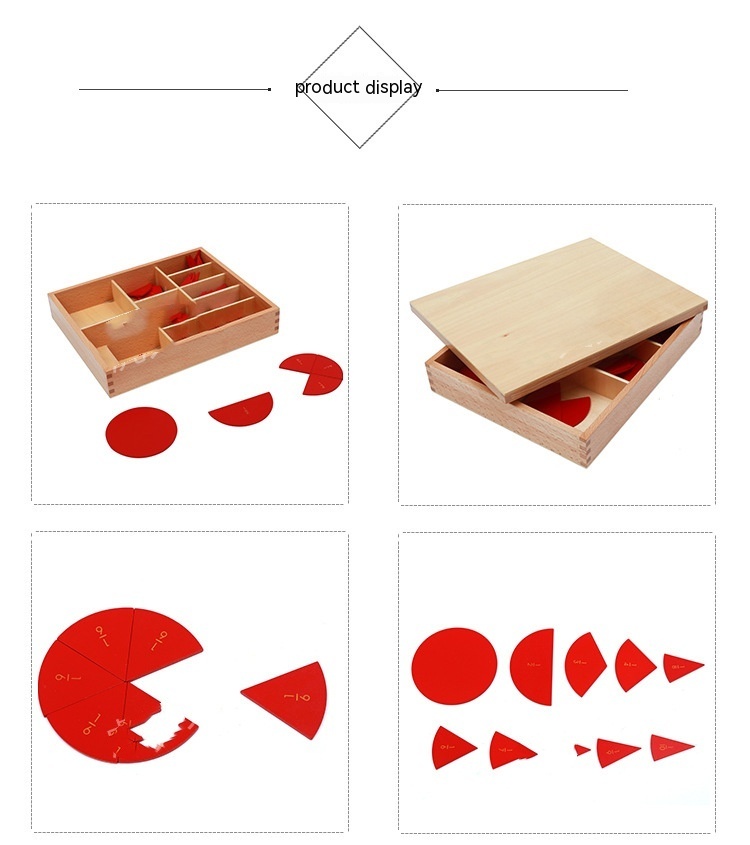
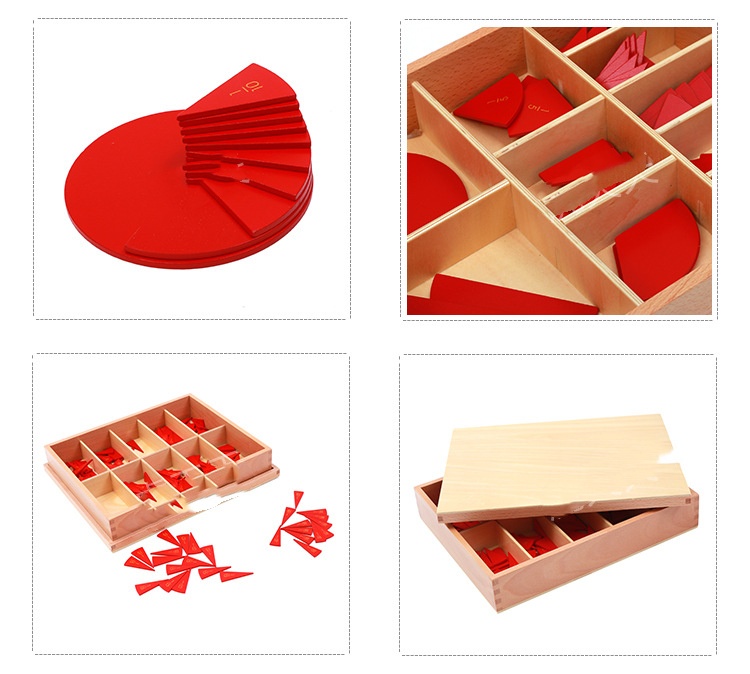
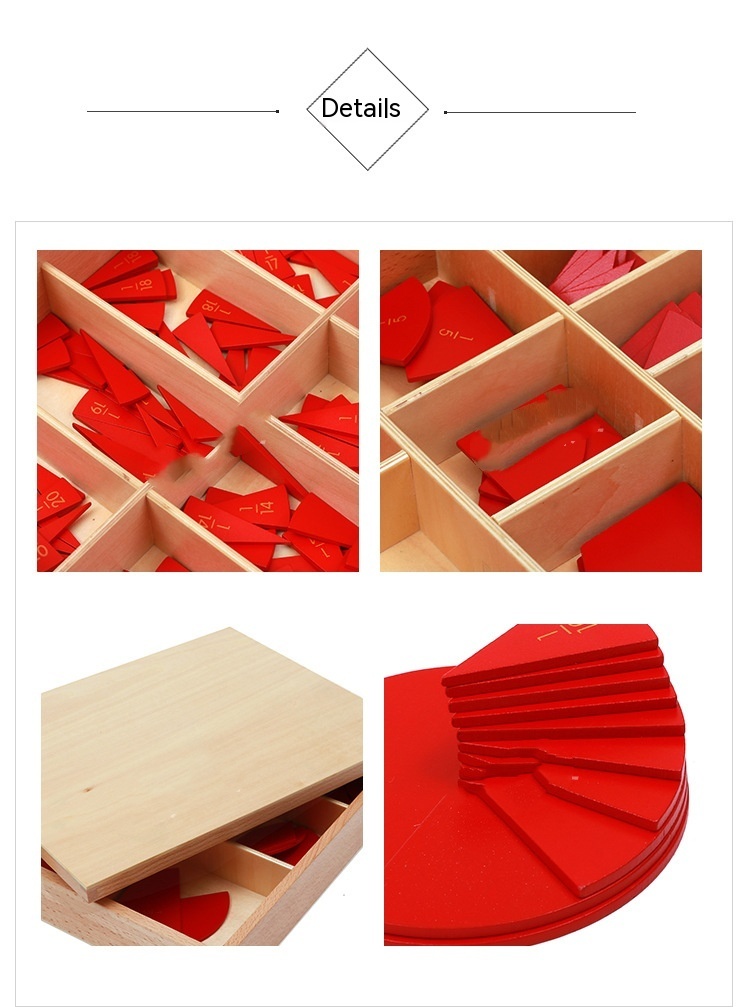
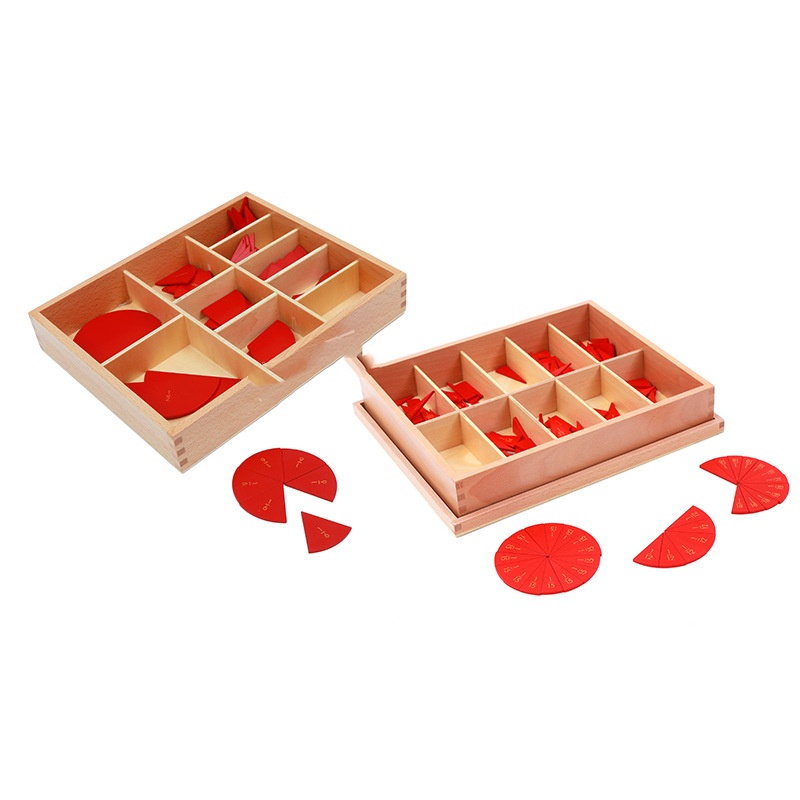
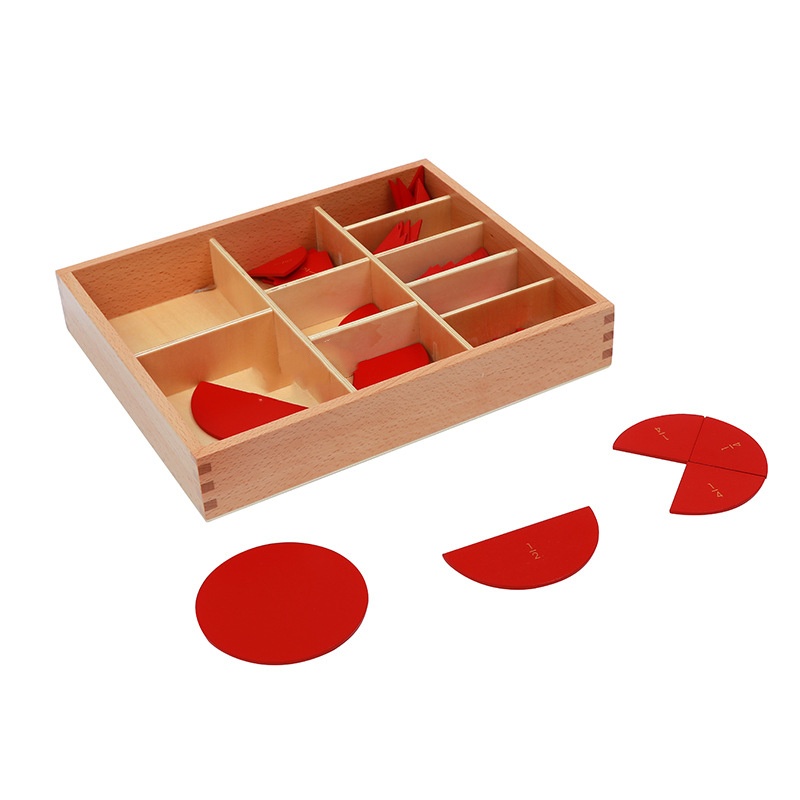
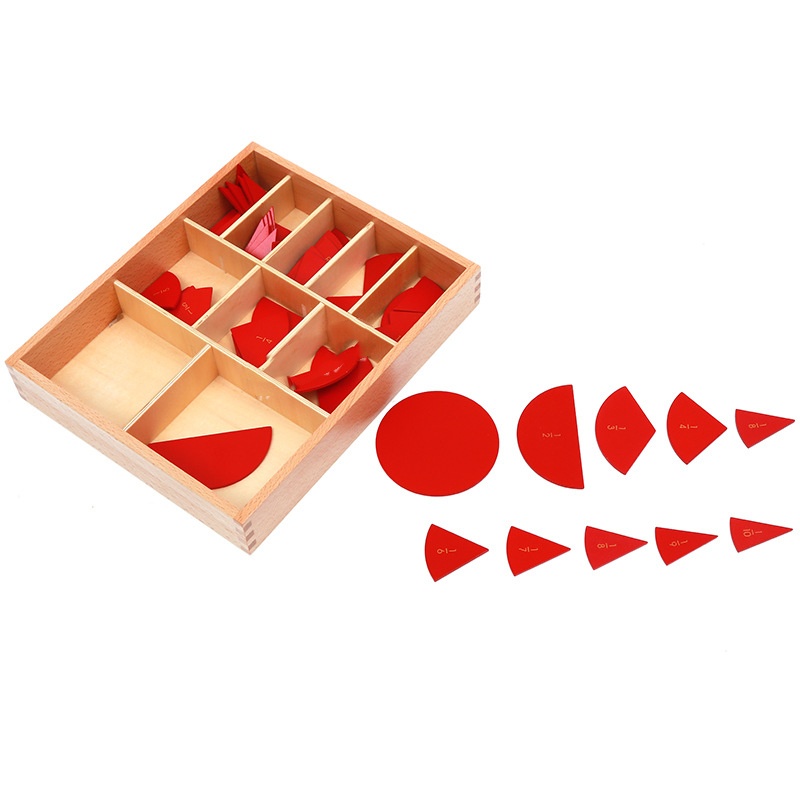
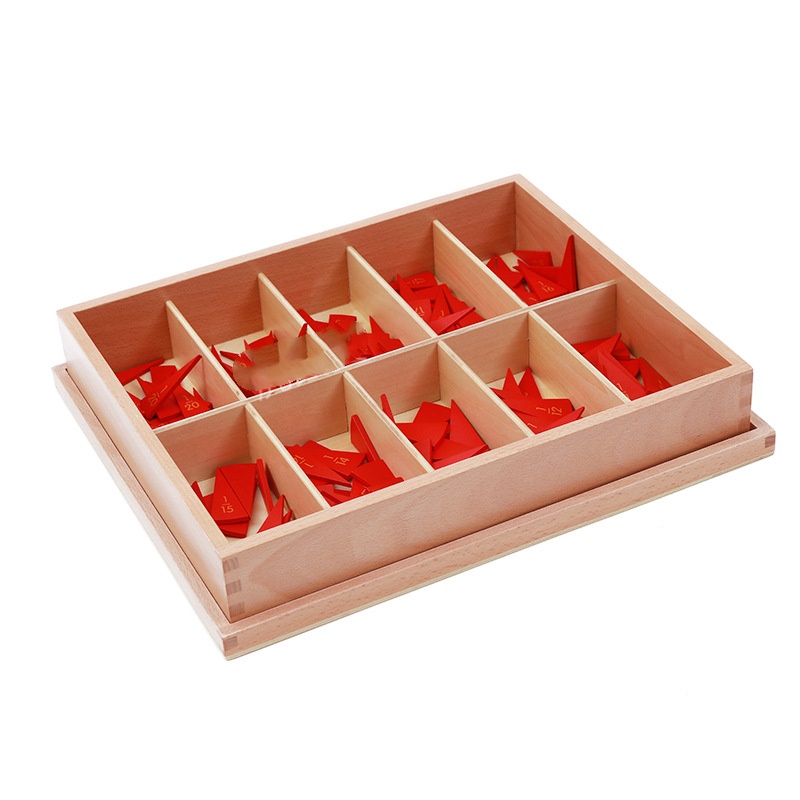
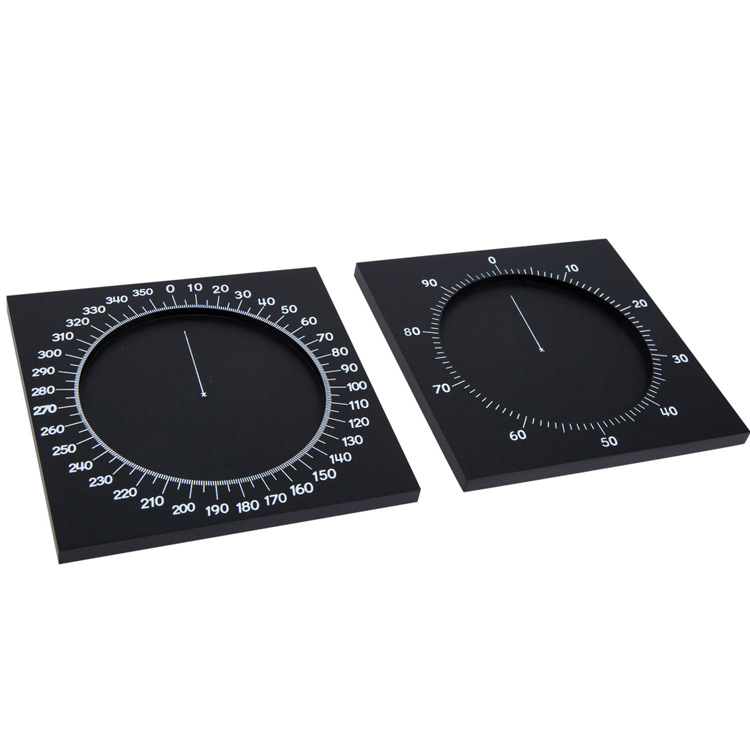
Montessori Wooden Circle Fraction & Angle Learning Board – Primary School Mathematics Educational Teaching Aid
Make mathematics more engaging and interactive with our Montessori Wooden Circle Fraction & Angle Learning Board, an educational teaching aid designed to introduce primary school students to important mathematical concepts through hands-on exploration. Inspired by Montessori educational principles, this wooden math learning tool provides opportunities for children to understand fractions, circle decomposition, geometric shapes, and angle relationships through visual and practical activities.
Perfect for primary school classrooms, homeschooling, Montessori-inspired educational environments, and interactive parent-child learning sessions, this wooden circle decomposition angle meter helps transform abstract mathematical concepts into visual learning experiences.
Whether children are beginning to explore fractions or learning how circles can be divided into different sections, this educational tool offers a practical approach to building mathematical understanding.
Montessori-Inspired Wooden Mathematics Teaching Aid
The Montessori Wooden Circle Decomposition Board is inspired by hands-on educational methods that encourage children to explore mathematical concepts through observation, comparison, and experimentation.
Montessori-inspired mathematics materials often use physical objects to demonstrate relationships between quantities, shapes, and measurements.
A circular decomposition board can introduce these concepts by allowing children to observe how a complete circle relates to smaller sections.
Learn Mathematics Through Hands-On Activities
Physical mathematics teaching aids can help children visualize concepts that may otherwise seem abstract.
Depending on the product's actual components, this wooden learning board may support activities involving:
-
Circle recognition and decomposition
-
Basic fraction understanding
-
Angle recognition and comparison
-
Geometric shape exploration
-
Part-to-whole relationships
-
Mathematical reasoning
-
Spatial awareness
-
Visual observation and comparison
-
Problem-solving and concentration
These educational opportunities make circle-based math teaching materials useful for early geometry and fraction lessons.
Wooden Circle Decomposition for Fraction Learning
One of the main educational concepts associated with the Montessori Wooden Round Decomposition Toy is understanding how a circle can be divided into smaller sections.
Circle fraction activities help children visualize the relationship between a whole object and its individual parts.
Understand Whole, Half, Quarter, and Other Fractions
A complete circle represents one whole.
When divided into two equal sections, each section represents one-half.
When divided into four equal sections, each section represents one-quarter.
Depending on the included components, children may explore additional fractions such as thirds, sixths, or eighths.
These activities provide a concrete introduction to fraction concepts.
Explore Part-to-Whole Relationships
Fraction learning involves understanding how smaller quantities relate to a complete whole.
A circular decomposition board can help demonstrate how equal sections combine to form a full circle.
Parents and teachers can introduce simple questions about how many equal pieces are needed to complete a circle.
This interactive approach encourages observation and mathematical reasoning.
Angle Recognition and Early Geometry Education
The Montessori Wooden Circle Angle Learning Board can also support introductory geometry activities when its design includes suitable angle divisions or markings.
Angles describe the amount of rotation between two rays sharing a common endpoint.
Circular learning materials can provide visual examples of different angle sizes.
Introduce Basic Angle Concepts
Children can begin learning about common angle categories through visual demonstrations.
Acute Angle: An angle greater than 0° and less than 90°.
Right Angle: An angle measuring exactly 90°.
Obtuse Angle: An angle greater than 90° and less than 180°.
Straight Angle: An angle measuring exactly 180°.
Full Angle: One complete rotation measuring 360°.
These concepts provide a foundation for more advanced geometry lessons.
Explore Angles Through Circular Sections
A complete circle contains 360 degrees.
A half-circle represents 180 degrees, while a quarter-circle represents 90 degrees.
Children can use appropriately marked circular teaching materials to observe these relationships.
This activity introduces a visual connection between fractions and angle measurements.
Interactive Geometry Learning for Primary School Students
The Wooden Montessori Geometry Teaching Aid offers opportunities for students to explore basic geometric concepts through physical learning materials.
Geometry involves understanding shapes, sizes, positions, and spatial relationships.
A circle-based educational board provides a useful starting point for learning about circular shapes and their properties.
Discover Circle Properties
Teachers can introduce basic geometry vocabulary such as circle, center, radius, diameter, and circumference.
Children can observe how circular sections relate to the complete shape.
These activities can help develop familiarity with mathematical terminology.
Encourage Spatial Reasoning
Spatial reasoning involves understanding how shapes and objects relate to one another.
Arranging circular sections or comparing angles can provide opportunities to practice visual and spatial thinking.
Early Mathematics Problem-Solving Activities
The Montessori Wooden Math Learning Board can introduce simple mathematical challenges that encourage children to observe, compare, and experiment with different solutions.
Practice Fraction Addition
When suitable fraction pieces are included, children can explore how smaller fractions combine to form larger quantities.
For example, two one-quarter sections combine to make one-half of a circle.
Similarly, four one-quarter sections combine to form one whole circle.
These visual demonstrations can make basic fraction addition easier to understand.
Compare Different Fractions
Children can compare fraction sections to observe which represents a larger or smaller portion of a circle.
For example, one-half of a circle is larger than one-quarter of the same circle.
These activities introduce mathematical comparison through physical observation.
Montessori Learning Through Visual and Practical Exploration
The Montessori Circle Fraction and Angle Teaching Toy combines mathematical learning with practical educational activities.
Hands-on materials allow students to interact with mathematical concepts instead of relying exclusively on written exercises.
Encourage Independent Mathematical Discovery
Montessori-inspired learning emphasizes giving children opportunities to explore educational materials at their own pace.
A wooden circular math board can provide activities that allow students to investigate fraction relationships and geometric patterns.
Develop Concentration and Logical Thinking
Completing mathematical challenges often requires students to observe information carefully and evaluate possible solutions.
Interactive fraction and angle activities can provide opportunities to practice concentration, reasoning, and problem-solving.
Perfect Mathematics Teaching Aid for Home and Classroom Use
Our Montessori Wooden Circle Mathematics Teaching Aid is suitable for age-appropriate educational activities in primary school and home learning environments.
Its visual design makes it useful for introducing mathematical concepts through guided demonstrations.
Primary School Classroom Activities
Teachers can use circular fraction materials to demonstrate whole numbers, fractions, and geometric relationships.
Students can observe mathematical concepts and participate in interactive exercises.
Homeschool and Parent-Child Learning
Parents can introduce simple fraction activities at home using age-appropriate learning challenges.
For example, children can explore how two halves form a whole or how four quarters combine to complete a circle.
Why Choose Our Montessori Wooden Circle Fraction & Angle Board?
Our Montessori Wooden Round Decomposition Mathematics Teaching Aid combines classic educational material styling with hands-on geometry and fraction learning concepts.
Its circular learning format makes it an appealing resource for parents and teachers seeking interactive mathematics activities.
Key Product Highlights
-
Montessori-Inspired Mathematics Learning: Encourages hands-on exploration and visual understanding.
-
Circle Decomposition Activities: Introduces how a complete circle can be divided into smaller sections.
-
Early Fraction Education: Supports learning about halves, quarters, and other fractions when included.
-
Angle Recognition Activities: Can introduce basic angle relationships and circular measurements.
-
Geometry Learning: Provides opportunities to explore circles and spatial relationships.
-
Mathematical Problem-Solving: Encourages comparison, reasoning, and logical thinking.
-
Visual Learning Experience: Helps represent abstract mathematical concepts through physical materials.
-
Classroom and Home Education: Suitable for guided primary school mathematics activities.
-
Screen-Free Learning: Encourages direct interaction with educational materials.
Suitable Educational Activities and Learning Environments
This Montessori mathematics teaching aid can be incorporated into different educational settings.
Ideal for Different Uses
-
Primary school mathematics lessons
-
Montessori-inspired classroom activities
-
Homeschool educational sessions
-
Fraction recognition and comparison
-
Circle decomposition demonstrations
-
Introductory angle recognition
-
Geometry learning activities
-
Parent-child interactive mathematics practice
-
Educational math resource collections
How to Use the Montessori Wooden Circle Learning Board
Begin by introducing the complete circle and explaining that it represents one whole.
Next, demonstrate how equal sections can represent fractions of that whole.
Encourage children to compare different sections and observe how smaller pieces combine.
For angle learning, use any verified angle markings or appropriately designed components to introduce degrees and circular rotation.
As students become more familiar with the concepts, introduce simple challenges involving fraction comparison, addition, and geometric relationships.
Choosing the Right Mathematics Teaching Aid
Before purchasing, review the product specifications to confirm the included components, dimensions, materials, and mathematical functions.
Some circular learning boards focus primarily on fractions, while others include angle markings or rotating elements.
Ensure that the actual product supports the mathematical activities described in your teaching plan.
Important Safety and Age Recommendations
Always follow the manufacturer's recommended age range and product safety instructions.
Inspect wooden educational materials for splinters, cracks, damaged finishes, sharp edges, or loose components.
Small detachable pieces may present choking hazards to children under three years old.
Adult supervision is recommended when younger children use educational teaching aids.
Make Mathematics Fun with Montessori Wooden Circle Teaching Aids
Bring geometry, fractions, and interactive mathematical discovery into your child's learning experience with our Montessori Wooden Circle Fraction & Angle Learning Board.
Whether students are exploring circle decomposition, comparing fractions, or learning basic angle relationships, this educational teaching aid provides opportunities for visual and hands-on mathematics learning.
Its Montessori-inspired approach and practical learning concept make it a valuable addition to primary school educational resources.


